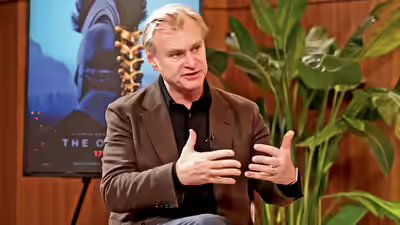
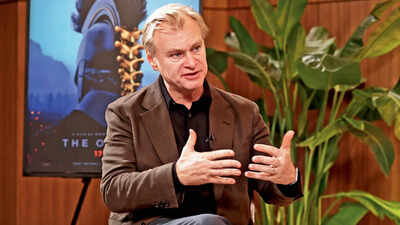
Christopher Nolan is an avid consumer of fine Earl Gray tea. Christopher Nolan tasted a very distinctly non-Earl Gray milk tea and mascarpone in Mumbai. Christopher Nolan’s films are so cerebral that they are interpreted, decoded, hacked and analyzed. Christopher Nolan’s film collection is often larger than the biggest and simplest films ever made.There are many truths that coexist in Nolan’s characters and films, and his ideas are as layered as the stories he tells.Perhaps, “The Odyssey” is a richly layered story he told.A grand story that delves into ethics, morality, philosophy and truth, transcending the barriers of time and culture. Perhaps it’s for this reason that our conversation with Nolan in Mumbai didn’t feel “alien.” He emphasized on the Greek concept of Xenia that even a humble beggar who comes to your doorstep should be respected as he may be a god in disguise walking the earth, reminiscent of Tulsidas’ “Na jaane kis vesh mein Narayan mil jaye”. His story, which focuses on how guests are treated, reminds us that long before atithi devo bhava became a punchline in the travel industry, it existed as a sacred thought around the world. The story of characters living on earth whose parents were gods, or at least non-humans, reminds us of many of the characters in the Mahabharata. Nolan’s protagonist still feels remorse even after a famous victory, reminding us of the name behind India’s national emblem – how Ashoka’s post-Kalinga remorse shaped him and the land he ruled over a long period of time.“After years of war, no one can come between my people and my home” – When I heard Odysseus Having said this, I am reminded of another great Greek story, but this one has to do with India. Alexander the Great looked up to Achilles as a role model. Wherever he went, he carried a copy of the Iliad with him. About 850 years after the Trojan War, Alexander’s army rebelled on the Indian border and refused to advance further, saying, you know, no one can come between us and home now.So, the soldiers’ universal longing to return home across cultures and time, the waning excitement of conquest, these emotional ambivalences between being a brutally strong warrior and being a sentimental man who just wants to finally go home – as a filmmaker, what do you make of the psychology of these people because they’re so conflicted between two extremes?I think this is one of the eternal contradictions of mankind. In essence, love and war have fueled drama and literature for thousands of years. I mean, The Odyssey is 3,000 years old, and I think it touches on very human truths.I think in my adaptation, I think – without spoiling anything, people haven’t seen it yet – but I think the character of Circe has something to say about that contradiction, which I think is very relevant to the overall story, because there’s a contradiction between the qualities that make a good soldier.Loyalty is one of them, loyalty, obedience, bravery, etc., all these positive qualities – but all for this incredibly negative purpose, which is to cause harm to someone, to bring death and destruction, and so on.I think this kind of contradiction is one of the most interesting and evocative things that storytelling can deal with.When I began adapting The Odyssey, I discovered that everything in the poem was actually a contradiction. So I tried to convey that in the film in different ways, both in terms of the feelings that the audience experiences, the relationship that the audience has with the adventure of the film, and the gravity of the war, the death, the destruction, all of these things that are happening... But I think it’s a timeless conflict that fuels drama in a very compelling way.
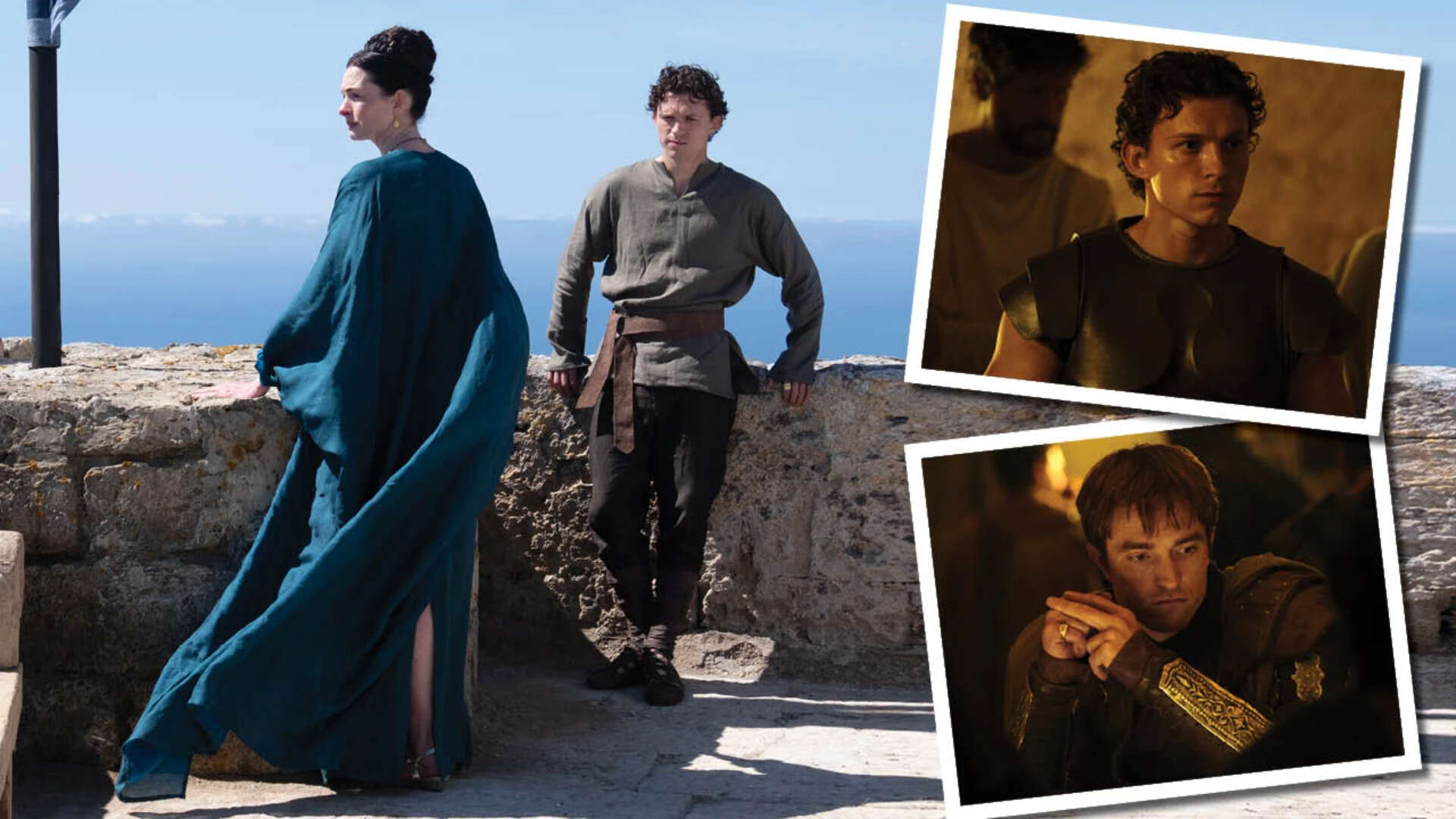
“The Odyssey is 3,000 years old and I think it touches on a truth about humanity”
In your opinion, is regret after violence a sign of the evolution of the soul as opposed to those who relish and enjoy it? I mean, I think – and it’s even more complicated than that – I think in the same person, there can be an element of remorse and there can be an element of inappropriate enjoyment of violence. The same person may have different attitudes toward violence at different times. I think that’s one of the things that we’re dealing with, like the character of Odysseus. One of the reasons I wanted Matt Damon to play this character is, Matt, I mean, he’s a fantastic actor, that goes without saying, but more importantly to me, I wanted to preserve the complexity and contradictions of the character of Odysseus, which are not traditional characteristics of an epic hero. Matt is able to open up and engage the audience, so you can retain those contradictions and complexities, but he can make you feel like you’re seeing the world through his eyes and that you’re experiencing it with him. I think part of it is feeling the foundation of morality in a character’s worldview and then taking on the challenge, especially retrospectively, of looking back at things you’ve seen in the story and maybe seeing them in a slightly different way by the end of the movie than you were at the beginning of the movie. That’s the kind of storytelling I absolutely love.
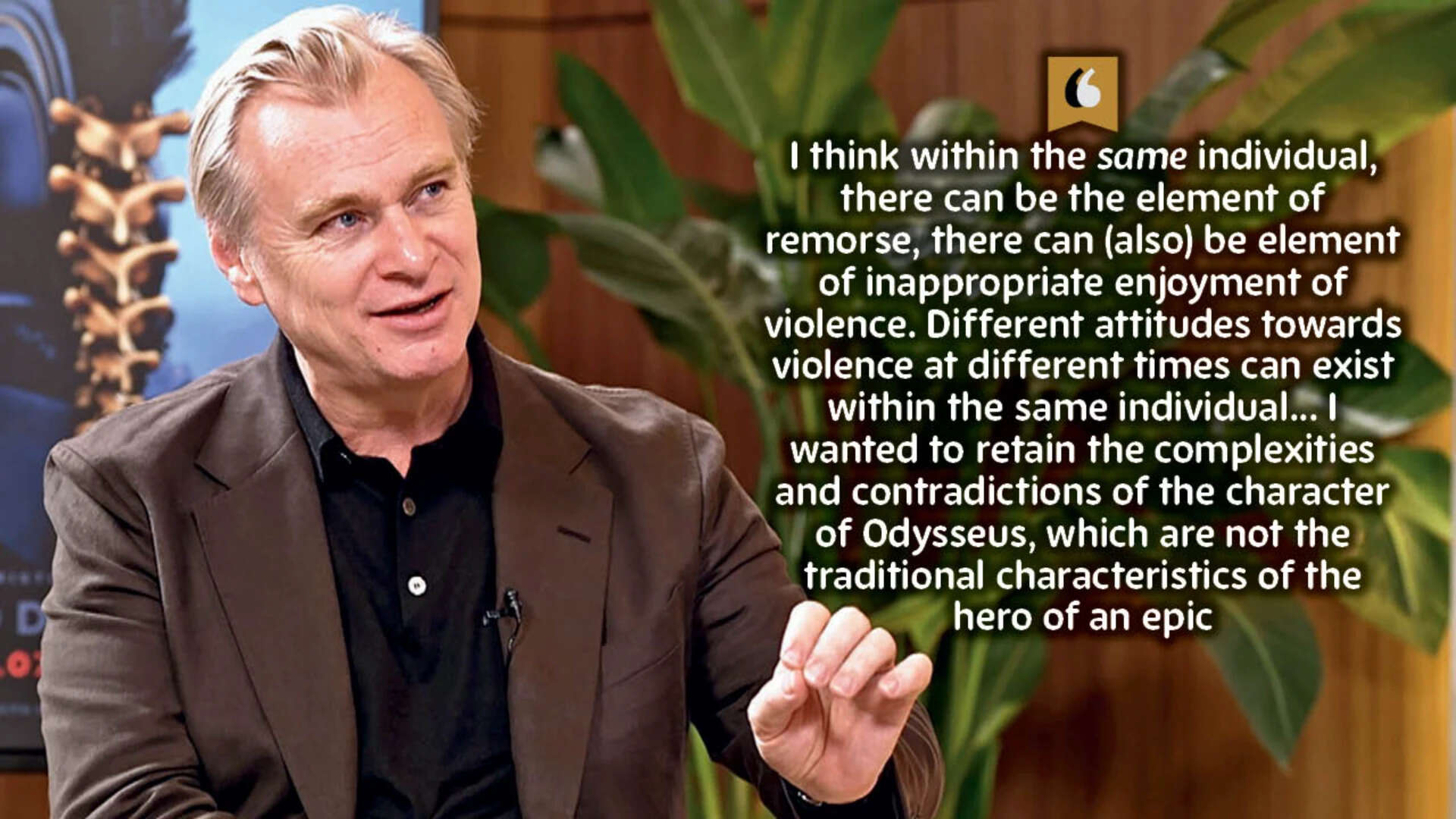
Nolan: In essence, love and war have fueled drama and literature for thousands of years: Nolan
You touched on two things that really interested me. You talk about the existence of the epic, when people saw divinity in everything—thunder and lightning, water, everything came from the gods. You say that so many epic and modern stories come from our desire to believe that God can walk among us. In the story, the entities you depict are mortals on earth, but children of God. These concepts are very common in Indian mythology and culture. There are many such stories in the Mahabharata. So my question is, in your filmmaking, the challenge or goal is often to make the characters as “human” and relatable as possible. But when you face God, there is no template. What do you think of the character of a god or demigod? How do you bring tears to his or her eyes? Well, for me, you know, the movie was a little bit ambivalent in the sense that I accepted the fantasy elements of the story, the creatures, like the Cyclops in the movie, those things… But when it came to the gods and the depiction of the gods, what I became interested in was the stuff you find in poetry. This is a Greek concept called Xenia. In the movie, we very specifically call this Zeus’s Law, which is essentially the Golden Rule. This is the idea that we have to respect each other.
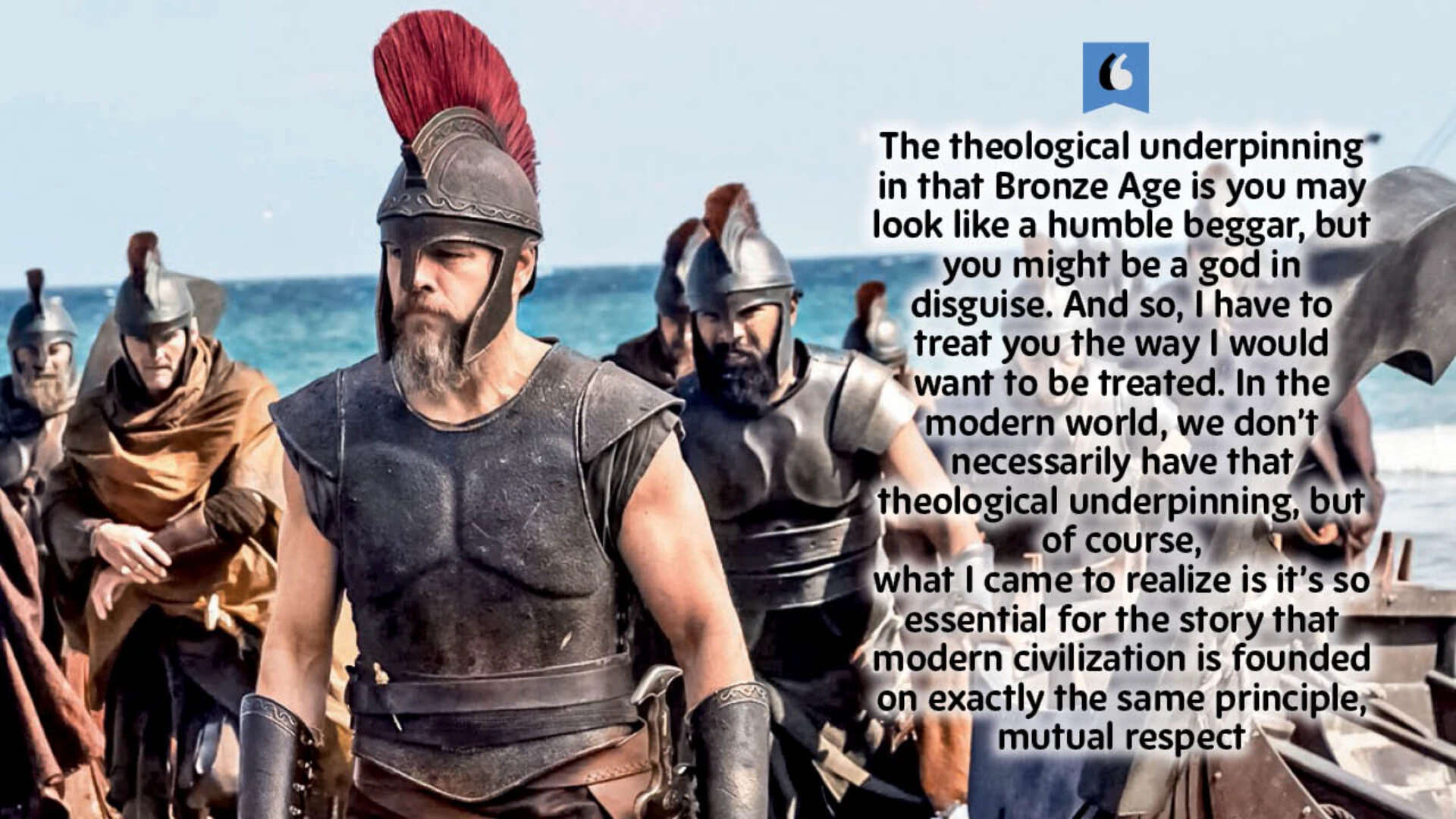
The basis of Bronze Age theology is that you may look like a humble beggar, but you may be a god in disguise. Therefore, I must treat you the way I would like to be treated. In the modern world, we don’t necessarily have a theological foundation, but of course, I realize that’s so important to this story because modern civilization is built on the exact same principle, which is mutual respect. But the fact that it was a strong theological foundation for the Bronze Age made me want to depict the gods in a way that those people might have experienced, through nature, through the evidence of the gods, the sun rising in the morning, the wind blowing, the tides coming. This is all evidence of divinity. This is the evidence of God. And the people who walk among them may also be gods in disguise. They may have seen God in men. Essentially, I wanted to stick to a view of the gods, rather than depict them as separate, in their own world, on Mount Olympus or whatever, talking, etc., as is sometimes the case in older movies.
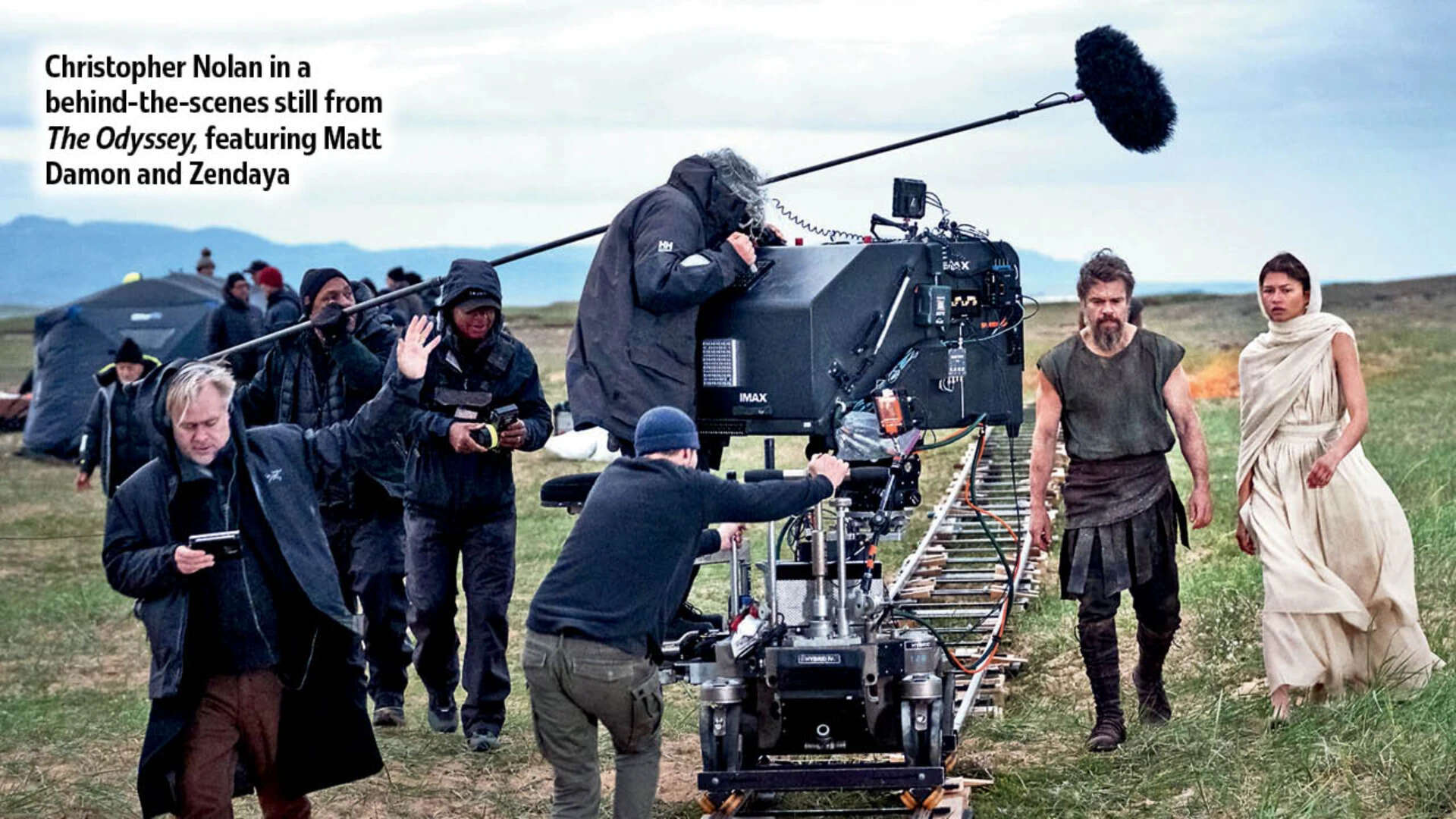
“Matt is able to open up to and engage the audience”
I really wanted to stay in the character’s mindset. I wanted to give it because I think Xenia’s idea, the idea of Zeus’s Law, by the end of the movie, you realize how important that is. I feel like depicting the gods in this way makes this even more obvious.As a filmmaker, are there any Indian epic stories that could capture your interest tomorrow?I mean, I’m always interested in any good story. I know that Indian culture is full of incredible and great stories. But as for the specifics of what drew me to a particular project, I don’t know. I mean, like you said, the Odyssey and the Mahabharata have something in common. But I do enjoy working with mythological landscapes, yes.What is the best piece of work in Indian cinema that you have seen, whether in terms of direction, acting or music? Did something grab you? I mean, I met Satyajit Ray, Pather Panchali very late. This is a masterpiece. This is the best movie I have ever seen. I was, I didn’t realize, I thought, how… Obviously I had heard of Ray, but a few years ago, just before I first came to India, I watched that movie for the first time, and it was the best movie I had ever seen. He’s an absolutely extraordinary filmmaker.
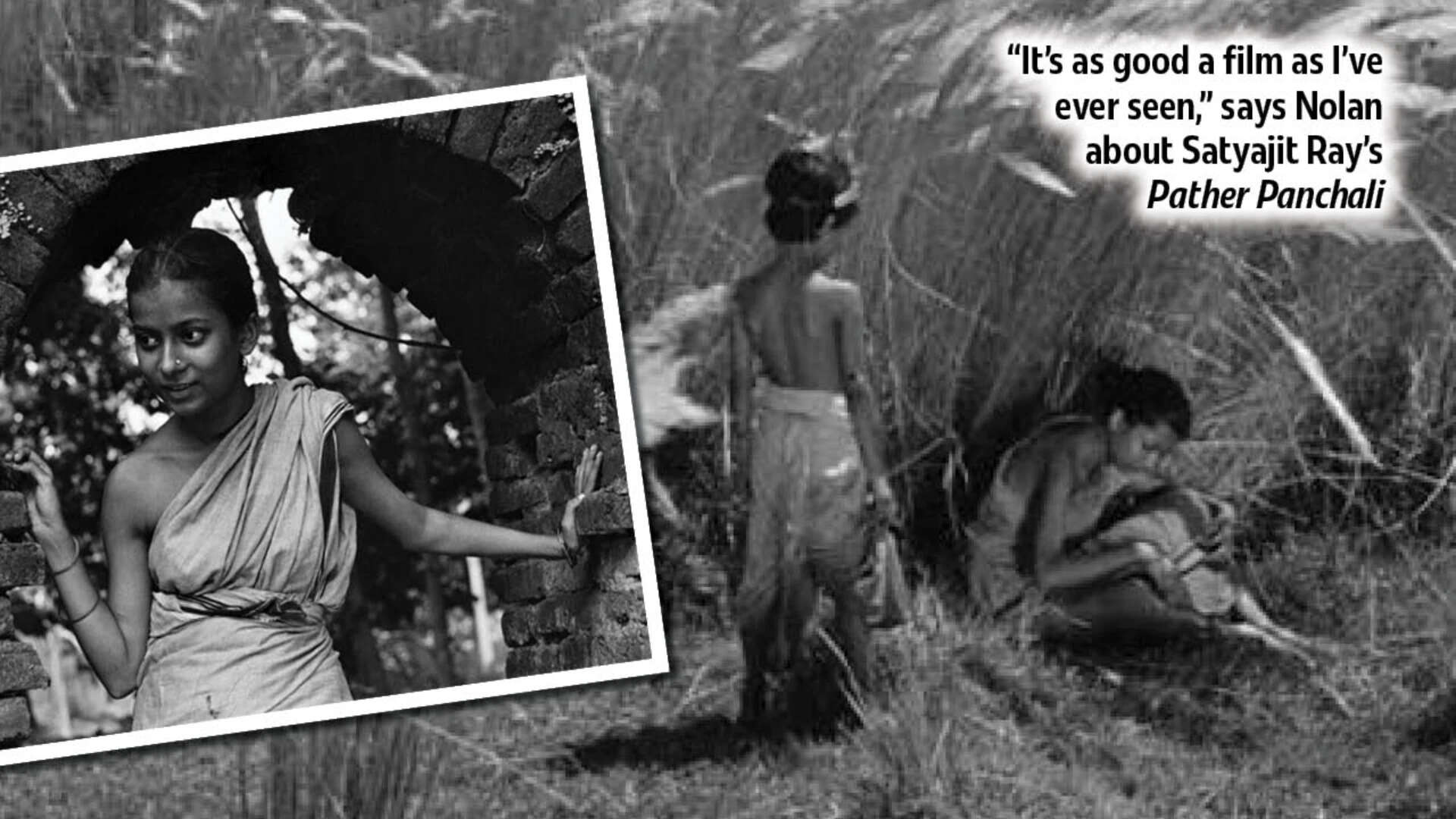
“It’s the best movie I’ve ever seen,” Nolan said of Satyajit Ray’s “Pather Panchali.”
The moral center that you wrote for Matt Damon’s character, as you explained it, you know, the whole hard and soft, conflicted, paradoxical shift – how different was that moral center from your own personal moral center? (pause) I think that’s a really tough question for this kind of interview! (laugh) I mean, we’re all complex… we’re all complex, just like Odysseus is complex… (but) I don’t think that’s the word most commonly used for Odysseus, and I don’t think people would necessarily use that word to describe me. The word is tricky. And, you know, that’s the idea that a con man or a person who always has – that he’s hiding his motives and has some kind of ulterior motive. I don’t think, I don’t think I agree with that.
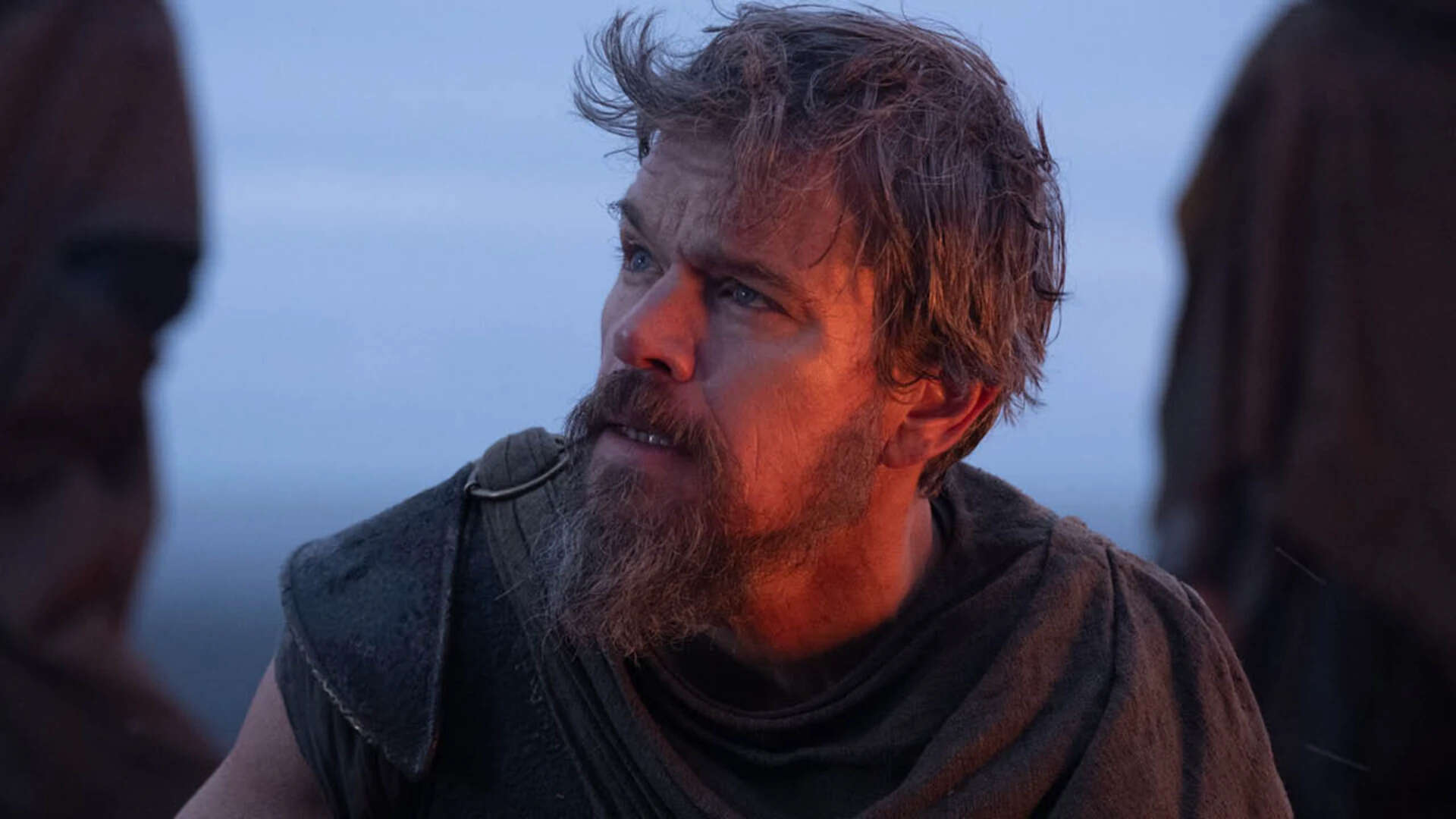
“We are all complicated, just as Odysseus is complicated”
But even by the end of the story, you don’t make him feel very proud of it. You make him go back and wonder if it was the right thing to do. Well, probably because that’s how I feel. It’s… (laughs) Now I feel like I’m sitting on a psychoanalyst’s couch!But he’s not a cunning character, is he? in your narrative. He’s like a guy who’s been there, but isn’t proud of it. Yes, I think so. But I also think, you see, he realizes that on some level, throughout the movie. But you still see him enjoying his intelligence and the way he handles things. So this is something a person knows what they should do but may still not do it. And, you know, we all agree on that. (When we finished, Nolan concluded with a laugh: “Those are some tough questions!”)