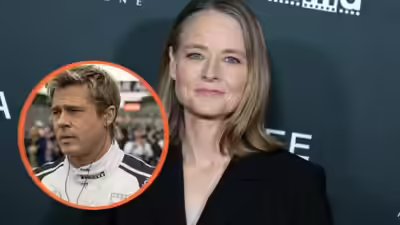
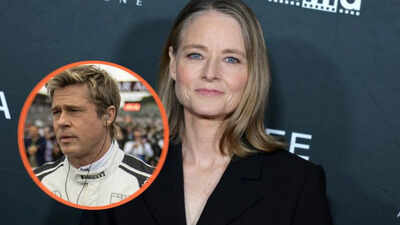
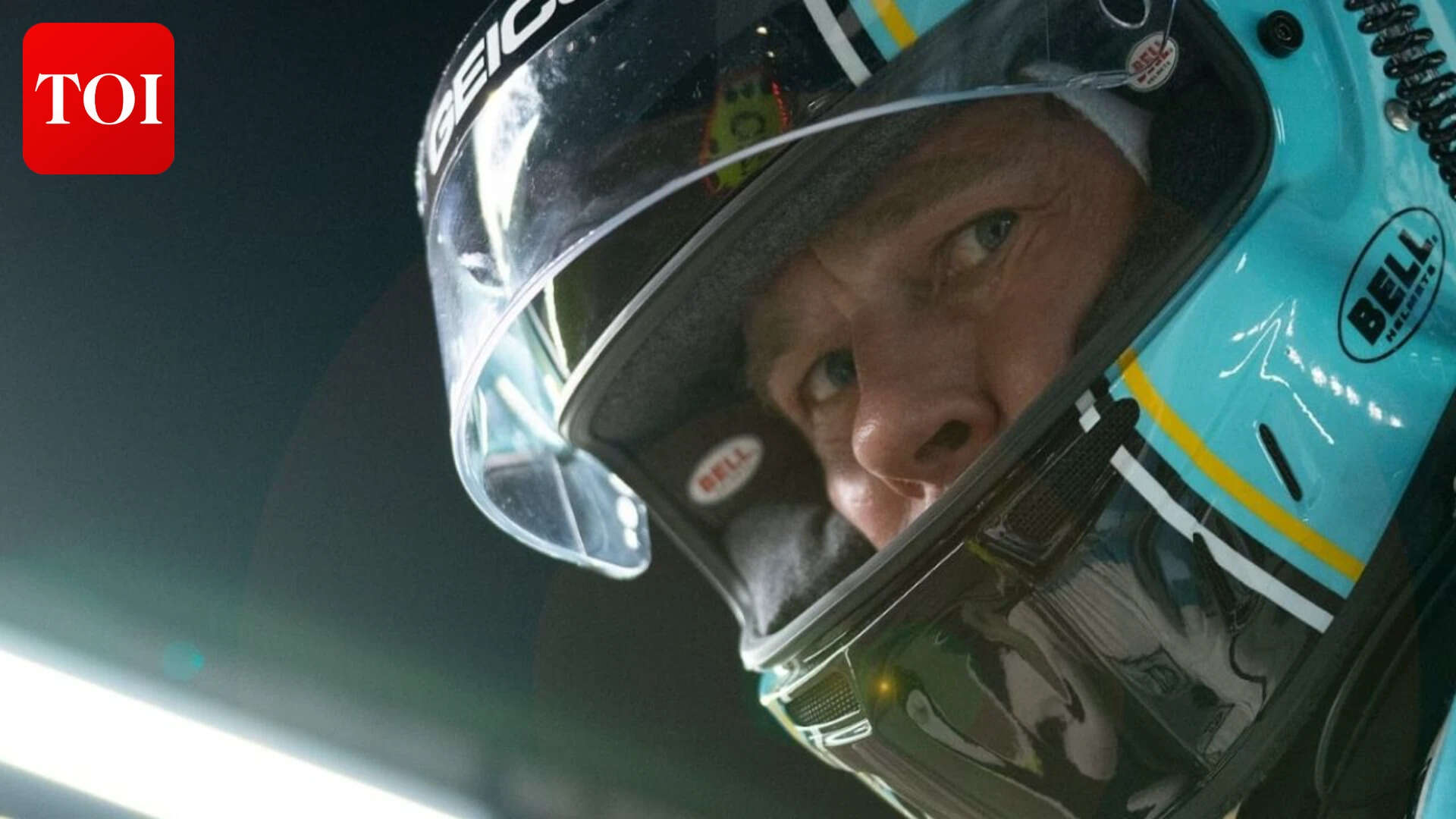
Jodie Foster says Brad Pitt’s racing movie “F1” exemplifies how artificial intelligence is impacting modern filmmaking and reshaping creative storytelling in Hollywood. The actress made the remarks during a panel discussion at this week’s Aspen Ideas Festival, where she joined former studio executive Michael Lynton to discuss the changing landscape of the entertainment industry.In a speech titled “Who Owns Hollywood’s Future” on Tuesday, Foster suggested that the film’s structure and execution suggested it might have been generated by artificial intelligence. “I don’t say that in a disparaging way, how could I? The movie went on to make millions of dollars. But I watch a movie like ‘F1,’ and I’m like, ‘F1’ was made by artificial intelligence,” she said with a laugh at the event in Colorado. “Isn’t it? I mean, this structure is exactly what you learned in school. The actors spoke the lines exactly as they would have been written if the computer had written exactly what was correct at the time. “
The film’s commercial and critical success
Although Foster described the film as an artificial intelligence-generated “F1,” it was a huge commercial success, grossing $634 million at the global box office by genre. The film was nominated for four Academy Awards, including Best Picture, and won in the sound category, demonstrating the positive response to the project from audiences and industry voters regardless of its structure.
Foster spoke at the Aspen Ideas Festival and discussed the opportunities and risks artificial intelligence brings to Hollywood. Image source (Instagram)
Jodie Foster’s broader take on artificial intelligence in the entertainment industry
When Linton asked Foster about her views on AI’s broader impact on society and the film industry, she saw AI as part of a larger pattern of technological change. “Artificial intelligence is another major advancement that is changing the industry,” Foster said after detailing the changes that CGI and digital technology have brought to film production in the past few decades.The conversation turned to more pressing concerns about employment in the entertainment industry. “The big question is, will it replace actors and writers?” Linton asked. Foster acknowledges that technological advances have led to job losses. “We do replace people,” she replied, explaining how the studio saved money on crowd scenes by digitally replicating background actors. “We’re cutting a lot of jobs, and hopefully an organization like the union will step in and say, you can use my actor 20 times, but you have to pay him 20 times. I think that’s fair.”
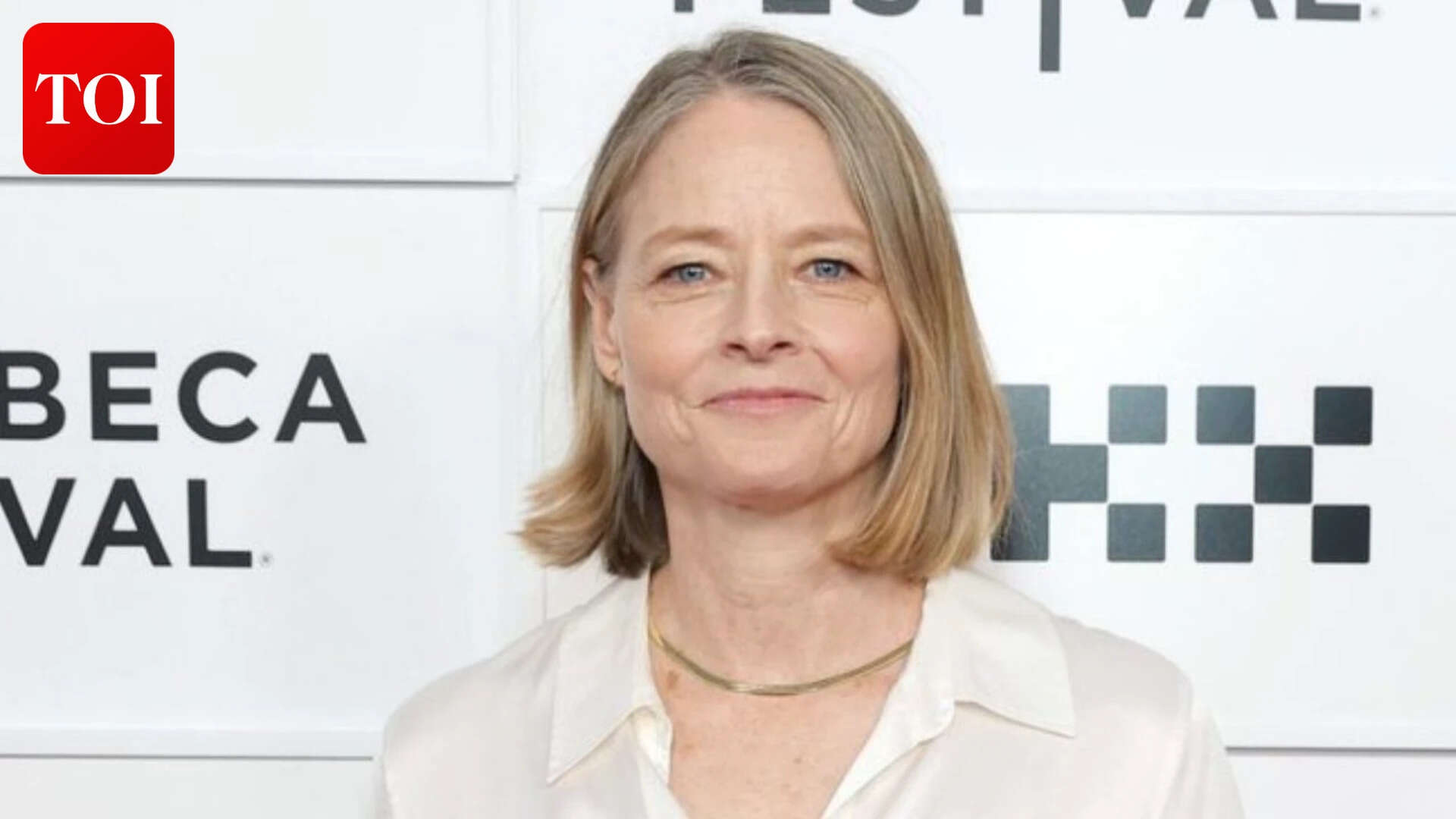
Foster said artificial intelligence should serve creative vision rather than replace human storytelling. Image source(X)
Jodie Foster’s Vision Responsible use of artificial intelligence in filmmaking
Foster doesn’t reject artificial intelligence outright, but offers a nuanced stance on how filmmakers should approach the technology. She identified specific applications where AI tools could prove beneficial. “We all want filmmakers to dominate artificial intelligence and never lose sight of that,” she said, emphasizing the importance of maintaining creative control over technological tools.As for “little useful things,” such as pre-visualizing movie scenes before production, Foster acknowledges that AI tools can play a useful role in the filmmaking process. She provided an example from her recent work to illustrate how to use artificial intelligence effectively. “If we can continue to dominate artificial intelligence over time, we will be able to create things that reflect ourselves, and we can make things better,” she said.Foster alludes to a dreamlike scene aided by artificial intelligence in her recent film My Private Life. She described the images as meaningless, but ultimately succeeded in achieving the desired effect. This example illustrates her belief that when filmmakers retain artistic control over the application of artificial intelligence, the technology can deliver results that work for, rather than against, artistic vision.