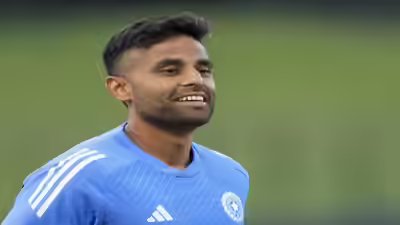
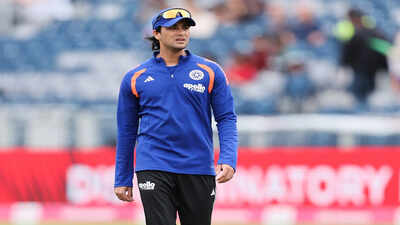
New Delhi: delhi high court The changing scope of personality rights was examined during a hearing on a lawsuit filed by Indian cricketer Abhishek Sharma on Tuesday. Sharma seeks protection against unauthorized use of his name, image and likeness on online platforms, including artificial intelligence-generated content.The matter came before Justice Jyoti Singh, who scrutinized several online links identified by Sharma as allegedly violating his personality rights. During the hearing, the court also made important observations on the increasingly complex relationship between personality rights and defamation in the digital age.
Delhi HC flags overlap between personality rights and defamation
In considering the rival submissions, Justice Singh observed that disputes involving online content often blur the distinction between defamation and moral rights.“We find every day that there is a fine line between defamation and personality rights. It is constantly changing. There is a bit of overlap. Defamation issues may have a personality right element,” Justice Singh noted.The court’s remarks come as it considers whether the online content at issue merely involves objectionable speech or whether it constitutes unauthorized exploitation of Sharma’s identity through artificial intelligence.
Controversy centers on images altered by AI
Meta’s lawyer Varun Pathak appeared and told the court that of the eight URLs currently under consideration, two are no longer accessible. Referring to one of the remaining links, Pathak said it appeared to be a “paparazzi” post, which in his opinion did not constitute a violation of personality rights.Sharma’s lawyers, however, strongly disagree with that characterization.Thakur, the lawyer appearing for the cricketer, argued that the case did not involve ordinary paparazzi photos. Instead, he proposed that the original images of Sharma and his manager were allegedly manipulated through artificial intelligence, changing their appearance and context, resulting in the AI-generated images being misleading.According to the plaintiffs, the digitally altered images falsely conveyed a different impression and amounted to an unauthorized use of Sharma’s personality and identity.Responding to the court’s opinion, Pathak argued that false or objectionable statements about an individual generally fall within the ambit of defamation or privacy rather than personality rights.He further noted that broadening moral rights claims to cover all adverse online content would create serious practical difficulties for intermediaries.According to Meta, Sharma initially provided the court with about 25 URLs, but the number of allegedly infringing links later grew to nearly 4,000.Pathak argued that accepting such a broad interpretation would effectively require intermediaries to “clean the internet” of content critical of the plaintiffs, regardless of whether it actually infringes personality rights.
The matter has been posted for further hearing
After hearing both parties, the Delhi High Court deferred further hearing of the matter to July 9 as it felt that certain issues related to the petition required attention.The suit is one of a growing number of personality rights cases before the Delhi High Court involving celebrities seeking protection against unauthorized commercial use or artificial intelligence-driven manipulation of their names, photographs, likenesses and identities.With the rapid rise of artificial intelligence tools capable of generating lifelike images and videos, courts are increasingly being called upon to review claims involving deepfakes, digitally altered content and the unauthorized use of public figures.